Our Providers
 Paige Proctor, PA-CPhysician Assistant
 Christy Sorey, FNP-CNurse Practitioner
 Robyn Byrd, FNP-BCNurse Practitioner
 Samantha Marshall, FNP-BCNurse Practitioner
Book a consultation and we'll verify your insurance before your first visit.
Start Your JourneyOur providers match you to the best FDA-approved option based on your health profile.
Find Your MatchOur team helps you understand every option so you can decide with confidence.
Book NowBrowse our full library of evidence-based weight loss resources.
View All ResourcesKnow your coverage before your first visit. No surprises.
Check Your CoveragePaige Proctor, PA-CPhysician Assistant
Christy Sorey, FNP-CNurse Practitioner
Robyn Byrd, FNP-BCNurse Practitioner
Samantha Marshall, FNP-BCNurse Practitioner

A dual-action GIP/GLP-1 receptor agonist approved for chronic weight management. Weekly injection, prescribed and managed by your PEAK clinician.
Takes 2 minutes, no obligation
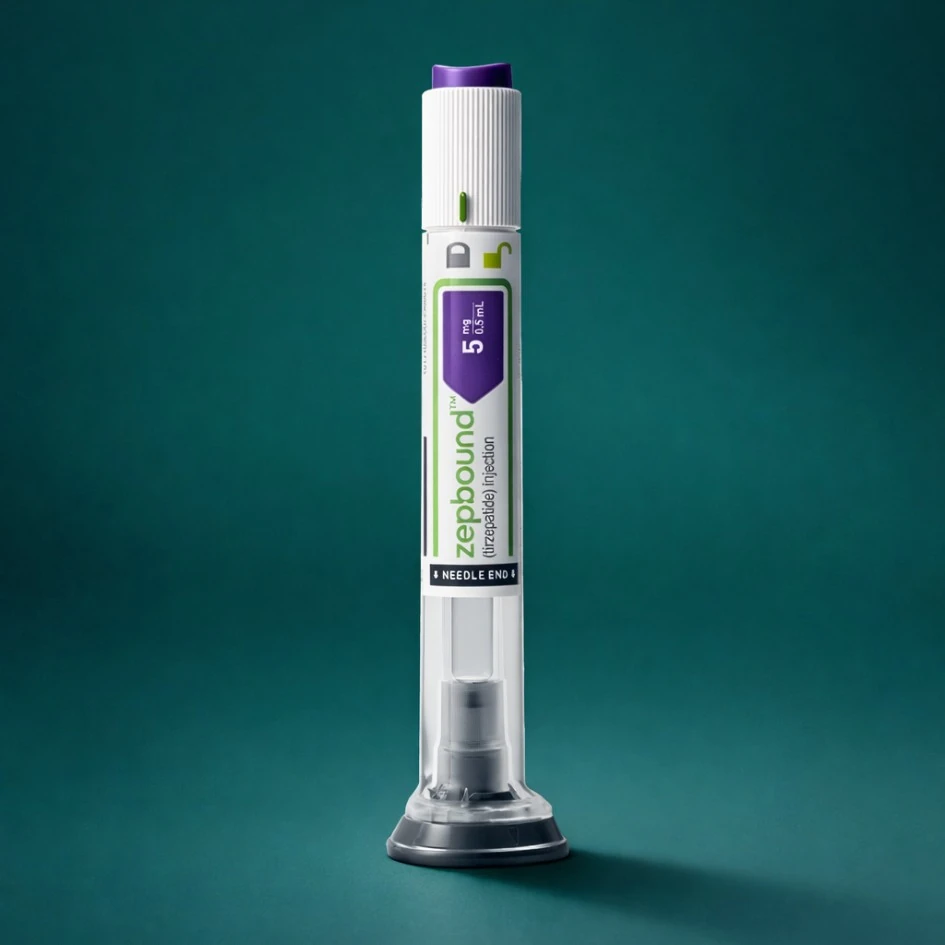
Zepbound (tirzepatide) is a dual GIP/GLP-1 receptor agonist — meaning it targets two gut hormone pathways instead of one. In clinical trials, it demonstrated the highest average weight loss of any currently approved anti-obesity medication. At PEAK, Zepbound is prescribed as part of a treatment plan that includes nutrition counseling, clinical monitoring, and ongoing support. If you are comparing options across the state, see our Zepbound weight loss in Virginia guide.
Takes 2 minutes, no obligation
In rodent studies, tirzepatide caused thyroid C-cell tumors. It is unknown whether Zepbound causes thyroid C-cell tumors, including medullary thyroid carcinoma (MTC), in humans.
Zepbound is contraindicated in patients with a personal or family history of MTC or in patients with Multiple Endocrine Neoplasia syndrome type 2 (MEN2).
Other important risks include pancreatitis, gallbladder disease, and low blood sugar when used with insulin or sulfonylureas. See the full prescribing information.
Zepbound belongs to a newer class of medications that activate two receptors simultaneously: GIP (glucose-dependent insulinotropic polypeptide) and GLP-1 (glucagon-like peptide-1). This dual mechanism is what distinguishes tirzepatide from single-receptor GLP-1 medications like semaglutide.
Both GIP and GLP-1 are incretin hormones — natural signals your body uses to regulate appetite, blood sugar, and energy balance. By activating both pathways, Zepbound works to reduce appetite, slow gastric emptying, and improve insulin sensitivity. Learn more about how GLP-1 and GIP work together in Zepbound. Patients typically describe a significant reduction in food noise — the persistent mental focus on eating — within the first few weeks of treatment.
In the SURMOUNT-1 clinical trial, participants taking the highest dose of tirzepatide (15 mg) lost an average of 22.5% of their body weight over 72 weeks. This was achieved alongside a reduced-calorie diet and increased physical activity. These are among the strongest results seen in any anti-obesity medication trial to date.
In SURMOUNT-5 (head-to-head over 72 weeks), tirzepatide produced 20.2% average weight loss versus 13.7% for semaglutide.
At PEAK, Zepbound is never prescribed as a standalone treatment. It's one component of a clinical program that includes dietitian-led nutrition counseling, continuous glucose monitoring when appropriate, and regular clinician check-ins. Monthly check-ins with your provider and dietitian help you get the most from treatment.
Treatment follows a structured titration schedule that reduces side effects and optimizes results.
You'll begin at 2.5 mg weekly. This initial dose is primarily for tolerability — meaningful weight loss typically begins during titration. Most patients experience mild or no side effects at this stage.
Your dose increases to 5 mg. This is where most patients begin to notice reduced appetite and early weight loss. Your clinician monitors your response and adjusts the pace if needed.
Dose increases continue in 2.5 mg increments (up to 15 mg) every 4 weeks based on your response and tolerability. Weight loss accelerates during this phase alongside nutritional support.
Once you reach your target dose and goals, your clinical team works with you on a long-term plan — whether that's continued medication, dose adjustment, or a gradual transition strategy.
PEAK only prescribes brand-name Zepbound manufactured by Eli Lilly. We do not prescribe compounded tirzepatide, which is available through some telehealth platforms and compounding pharmacies. Compounded versions have not undergone the same FDA review process, and their dosing accuracy, sterility, and potency cannot be independently verified.
This is a patient safety decision we feel strongly about. Read more about why PEAK only uses FDA-approved medications.
Both are FDA-approved for chronic weight management, but they work through different mechanisms. Wegovy (semaglutide) activates one receptor (GLP-1), while Zepbound (tirzepatide) activates two (GIP and GLP-1). In head-to-head clinical trials, tirzepatide showed greater average weight loss than semaglutide. Zepbound also has a unique FDA approval for treating moderate to severe obstructive sleep apnea in adults with obesity. Your clinician will recommend the best option based on your health history, insurance coverage, and individual response.
The most common side effects are gastrointestinal: nausea, diarrhea, constipation, and decreased appetite. Some patients also experience fatigue during the first weeks of treatment. These are typically mild to moderate and tend to improve as your body adjusts, especially with PEAK's gradual titration approach. Your clinician will monitor for any side effects and adjust your treatment plan as needed.
Coverage varies by insurance plan. Many commercial plans cover Zepbound for weight management, though some require prior authorization or have specific eligibility criteria. PEAK accepts Anthem, Cigna, Aetna, UnitedHealthcare, Sentara, and TRICARE commercial plans, and does not accept Medicare or Medicaid plans. PEAK handles the prior authorization process for you and will confirm coverage before you begin treatment. If Zepbound isn't covered, your clinician may recommend an alternative or discuss cash-pay options including the Zepbound vial program. View our full insurance and pricing information.
The standard Zepbound pen is the pre-filled auto-injector that can be covered by insurance. The Zepbound vial is the same FDA-approved tirzepatide from Eli Lilly, but in a multi-dose vial format that's available at a lower cash-pay price point. Both contain the same medication — the difference is the delivery format and how you pay for it. Your clinician can help determine which option makes the most sense for you.
Obesity is a chronic condition, and treatment duration varies by individual. Some patients continue medication long-term for sustained weight management, while others may eventually taper off — especially if they've developed strong nutritional and behavioral habits during treatment. Research does show that weight regain is common when GLP-1 medications are discontinued without ongoing support, which is why PEAK's approach emphasizes building habits alongside medication.
Yes. If you are currently on Wegovy, Saxenda, or a compounded GLP-1, your PEAK clinician can help you transition to Zepbound safely. The switch involves adjusting your dosing schedule and monitoring your response. Many patients come to PEAK specifically because they want to move from a telehealth-only prescription to a clinician-managed program with nutritional support.
Zepbound isn't the right fit for everyone. Your clinician will recommend the medication that makes the most sense for your health history, insurance, and goals.
The most widely prescribed GLP-1 for weight loss. Single-receptor GLP-1 agonist with strong clinical trial data and broad insurance coverage.
Learn moreThe same FDA-approved tirzepatide in a multi-dose vial format. A lower-cost cash-pay option for patients without insurance coverage for the pen.
Learn moreOral semaglutide for patients who prefer a daily tablet over a weekly injection. Same active ingredient as Wegovy in a different delivery format.
Learn moreFirst-generation GLP-1 for weight management. Daily injection with a long track record and established insurance coverage pathways.
Learn more




Boxed warning — thyroid C-cell tumors: In rodent studies, tirzepatide caused thyroid C-cell tumors. Zepbound is contraindicated in patients with a personal or family history of medullary thyroid carcinoma (MTC) or Multiple Endocrine Neoplasia syndrome type 2 (MEN2). Other important risks include pancreatitis, gallbladder disease, and low blood sugar when used with insulin or sulfonylureas. See the full prescribing information.
Schedule a consultation with a PEAK clinician. We'll review your health history, check insurance coverage, and build a treatment plan around your goals.
Book NowNo referral needed • Most insurance accepted • Chesapeake, VA