Our Providers
 Paige Proctor, PA-CPhysician Assistant
 Christy Sorey, FNP-CNurse Practitioner
 Robyn Byrd, FNP-BCNurse Practitioner
 Samantha Marshall, FNP-BCNurse Practitioner
Book a consultation and we'll verify your insurance before your first visit.
Start Your JourneyOur providers match you to the best FDA-approved option based on your health profile.
Find Your MatchBrowse our full library of evidence-based weight loss resources.
View All ResourcesKnow your coverage before your first visit. No surprises.
Check Your CoveragePaige Proctor, PA-CPhysician Assistant
Christy Sorey, FNP-CNurse Practitioner
Robyn Byrd, FNP-BCNurse Practitioner
Samantha Marshall, FNP-BCNurse Practitioner

Mounjaro (tirzepatide) is FDA-approved for type 2 diabetes — not weight loss. If you're looking for tirzepatide for weight management, Zepbound is the FDA-approved option. Learn the difference.
Takes 2 minutes, no obligation
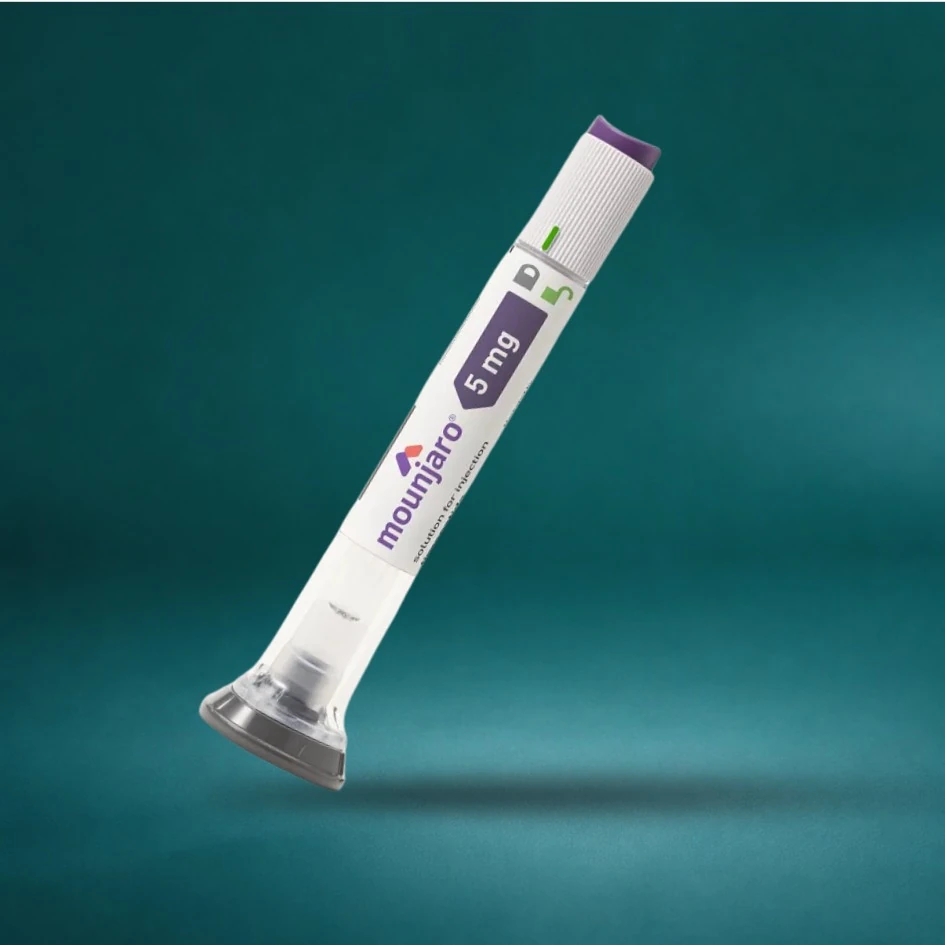
Mounjaro (tirzepatide) is a dual GIP/GLP-1 receptor agonist approved by the FDA for improving blood sugar control in adults with type 2 diabetes. While patients taking Mounjaro often experience significant weight loss, it is not FDA-approved for weight management. For weight loss, the FDA-approved tirzepatide formulation is Zepbound, which carries the specific chronic weight management indication and has broader insurance coverage for that purpose.
Takes 2 minutes, no obligation
In rodent studies, tirzepatide caused thyroid C-cell tumors. It is unknown whether Mounjaro causes thyroid C-cell tumors, including medullary thyroid carcinoma (MTC), in humans.
Mounjaro is contraindicated in patients with a personal or family history of MTC or in patients with Multiple Endocrine Neoplasia syndrome type 2 (MEN2).
Other important risks include pancreatitis and low blood sugar when used with insulin or sulfonylureas. See the full prescribing information.
Mounjaro and Zepbound both contain tirzepatide, a medication that activates two incretin hormone receptors simultaneously: GIP (glucose-dependent insulinotropic polypeptide) and GLP-1 (glucagon-like peptide-1). This dual mechanism is what sets tirzepatide apart from single-receptor medications like semaglutide.
GIP and GLP-1 are hormones your body produces naturally in response to food. Together, they regulate appetite signals in the brain, slow the rate at which your stomach empties, and improve how your body processes insulin. By activating both pathways at once, tirzepatide produces a broader metabolic effect than targeting either pathway alone. Patients typically notice a marked reduction in appetite and in the persistent mental focus on food that many people with obesity or diabetes describe.
Mounjaro was approved by the FDA in May 2022 specifically to improve glycemic control in adults with type 2 diabetes. Zepbound was approved in November 2023 specifically for chronic weight management in adults with obesity or overweight with at least one weight-related condition. Both contain the same tirzepatide molecule at the same doses — but they carry different FDA indications, different NDC codes, and different insurance coverage pathways.
At PEAK, we prescribe Zepbound — not Mounjaro — for patients whose primary goal is weight management. This ensures you receive the medication with the correct FDA-approved indication, which matters for insurance coverage, prior authorization, and clinical documentation. Our program includes dietitian-led nutrition counseling, regular clinician check-ins, and ongoing monitoring.
The clinical trial programs for Mounjaro and Zepbound were designed for different purposes — one studied diabetes management, the other studied weight loss. Understanding this distinction helps explain why Zepbound is the right choice for weight management.
Mounjaro was studied in the SURPASS clinical trial program, which enrolled patients with type 2 diabetes. In SURPASS-1, patients taking tirzepatide 15 mg saw A1C reductions of approximately 2.1% and lost an average of about 9.5 kg (21 lbs) — impressive for a diabetes trial, but this was a secondary outcome. The trials were designed and powered to measure blood sugar control, not weight loss.
By contrast, Zepbound (the same tirzepatide molecule) was studied in the SURMOUNT clinical trial program, which was specifically designed to evaluate weight loss in adults with obesity. In SURMOUNT-1, participants without diabetes lost an average of 22.5% of their body weight on the 15 mg dose over 72 weeks. Nearly 40% of participants lost more than 25% of their body weight. These are the landmark results that led to Zepbound's FDA approval for weight management.
Zepbound also received FDA approval for treating moderate to severe obstructive sleep apnea in adults with obesity, based on results from the SURMOUNT-OSA trial. Mounjaro does not carry this indication.
The key takeaway: both medications use the same active ingredient, but Zepbound has the clinical trial data, FDA approval, and insurance pathway designed for weight loss. Your PEAK clinician can help you understand which tirzepatide product is appropriate for your goals.
Mounjaro and Zepbound share the same tirzepatide dose range and titration schedule. Both start at 2.5 mg and can be titrated up to 15 mg based on clinical response.
| Timeframe | Weekly Dose |
|---|---|
| Weeks 1–4 | 2.5 mg (starting dose) |
| Weeks 5–8 | 5 mg |
| Weeks 9–12 | 7.5 mg |
| Weeks 13–16 | 10 mg |
| Weeks 17–20 | 12.5 mg |
| Week 21+ | 15 mg (maximum dose) |
Unlike semaglutide (where Ozempic maxes out at 2.0 mg and Wegovy goes to 2.4 mg), Mounjaro and Zepbound share identical dose strengths. The difference is entirely in the FDA-approved indication and insurance billing. If your goal is weight loss, Zepbound is the product your insurance company expects to see on the claim.
Not every patient needs to reach 15 mg. Your PEAK clinician will titrate your dose based on how you respond — balancing effectiveness with tolerability. Many patients achieve significant results at 10 or 12.5 mg. Learn more about the Zepbound dosing schedule.
Mounjaro and Zepbound are both tirzepatide made by Eli Lilly. The molecule is identical. The difference is in their FDA-approved indications and how insurance companies process them — and that distinction has real consequences for coverage and cost.
| Feature | Mounjaro | Zepbound |
|---|---|---|
| FDA Indication | Type 2 Diabetes | Chronic Weight Management |
| Dose Range | 2.5–15 mg/week | 2.5–15 mg/week |
| Clinical Trials | SURPASS (diabetes) | SURMOUNT (weight loss) |
| Insurance for Weight Loss | Generally not covered | Covered by many plans |
| Sleep Apnea Approval | No | Yes (SURMOUNT-OSA) |
| Vial Option (Cash-Pay) | No | Yes |
Using Mounjaro "off-label" for weight loss creates insurance complications. Most plans will deny coverage if the diagnosis code doesn't match the medication's approved indication. At PEAK, we prescribe Zepbound for weight management — the right product, for the right indication, with the cleanest path to insurance approval.
For a detailed comparison, read our guide: Zepbound vs Mounjaro — What's the Difference?
PEAK prescribes FDA-approved medications for their indicated uses. We do not prescribe Mounjaro off-label for weight loss. Instead, we prescribe Zepbound — the FDA-approved tirzepatide formulation for chronic weight management. This ensures proper insurance billing, maximizes coverage approval, and aligns with the clinical outcomes demonstrated in the SURMOUNT trials.
We also do not prescribe compounded tirzepatide. Read more about why PEAK only uses FDA-approved medications.
Mounjaro is FDA-approved for type 2 diabetes, not weight loss. While tirzepatide produces substantial weight loss (as demonstrated in the SURMOUNT trials), prescribing Mounjaro off-label for weight management means your insurance is unlikely to cover it for that purpose. At PEAK, we prescribe Zepbound for patients whose primary goal is weight loss — it's the same tirzepatide molecule with the FDA-approved weight management indication and better insurance coverage pathways.
Both contain tirzepatide and are made by Eli Lilly. The key differences: Mounjaro is approved for type 2 diabetes, while Zepbound is approved for chronic weight management. Zepbound also has a separate FDA approval for treating obstructive sleep apnea in adults with obesity. Zepbound is additionally available in a lower-cost vial format for cash-pay patients. For a detailed comparison, see our Zepbound vs Mounjaro guide.
In most cases, no. Insurance plans match medications to their FDA-approved indications. Mounjaro's approved indication is type 2 diabetes, so a claim for weight management is likely to be denied. Zepbound carries the weight management indication, giving it a substantially better path to insurance coverage when prescribed for weight loss. PEAK accepts Anthem, Cigna, Aetna, UnitedHealthcare, Sentara, and TRICARE commercial plans, and does not accept Medicare or Medicaid plans. At PEAK, we verify your insurance benefits before your first visit and handle all prior authorization for you. If Zepbound isn't covered by your plan, we can discuss the Zepbound savings program or the cash-pay vial option.
The most common side effects of tirzepatide (whether as Mounjaro or Zepbound) are gastrointestinal: nausea, diarrhea, constipation, vomiting, and decreased appetite. Some patients also experience fatigue during the initial weeks. These effects are typically mild to moderate and tend to improve as your body adjusts to each dose level. The gradual titration schedule (starting at 2.5 mg and increasing every 4 weeks) is specifically designed to minimize side effects. Serious but rare risks include pancreatitis and thyroid C-cell tumors (seen in animal studies). Tirzepatide carries a boxed warning: it is contraindicated in patients with a personal or family history of medullary thyroid carcinoma (MTC) or Multiple Endocrine Neoplasia syndrome type 2 (MEN2). Your PEAK clinician will review your complete medical history to ensure tirzepatide is appropriate for you.
If you take Mounjaro for diabetes and are happy with your blood sugar control and any incidental weight loss, there may be no clinical reason to switch. However, if weight management is your primary goal and you don't have type 2 diabetes, switching to Zepbound is the clinically and administratively appropriate step. You'll get the same medication with the FDA-approved weight loss indication, better insurance coverage for that purpose, and access to Eli Lilly's Zepbound savings programs. Since both products contain identical tirzepatide, the switch is straightforward — your clinician simply transitions your prescription at the same dose.
Mounjaro contains tirzepatide, which activates both GIP and GLP-1 receptors. Wegovy and Ozempic contain semaglutide, which activates only the GLP-1 receptor. The dual-receptor approach has shown greater average weight loss in clinical trials. In terms of product lines: Mounjaro and Ozempic are the diabetes versions, while Zepbound and Wegovy are the weight loss versions. At PEAK, we prescribe Zepbound or Wegovy depending on which is the best fit for your health profile and insurance coverage. See our comparisons: Zepbound vs Wegovy.
If your goal is weight loss, these are the FDA-approved medications PEAK prescribes. Your clinician will recommend the best option for your health history, insurance, and goals.
The FDA-approved tirzepatide for chronic weight management. Same molecule as Mounjaro with the weight loss indication. Up to 22.5% body weight loss in trials.
Learn moreFDA-approved GLP-1 agonist for chronic weight management. Approximately 15% (14.9%) average body weight loss in trials. Also approved to reduce cardiovascular risk.
Learn moreNon-GLP-1 oral medication for weight management. Works on brain reward pathways. Good option for patients who cannot take injectable medications.
Learn moreFirst-generation GLP-1 for weight management. Daily injection with an established safety profile and long track record.
Learn more




Boxed warning — thyroid C-cell tumors: In rodent studies, tirzepatide caused thyroid C-cell tumors. Mounjaro is contraindicated in patients with a personal or family history of medullary thyroid carcinoma (MTC) or Multiple Endocrine Neoplasia syndrome type 2 (MEN2). Other important risks include pancreatitis and low blood sugar when used with insulin or sulfonylureas. See the full prescribing information.
Schedule a consultation to discuss Zepbound, Wegovy, or another FDA-approved option. We'll review your health history, verify insurance coverage, and create a treatment plan based on your health profile.
Book NowNo referral needed • Most insurance accepted • Chesapeake, VA