Our Providers
 Paige Proctor, PA-CPhysician Assistant
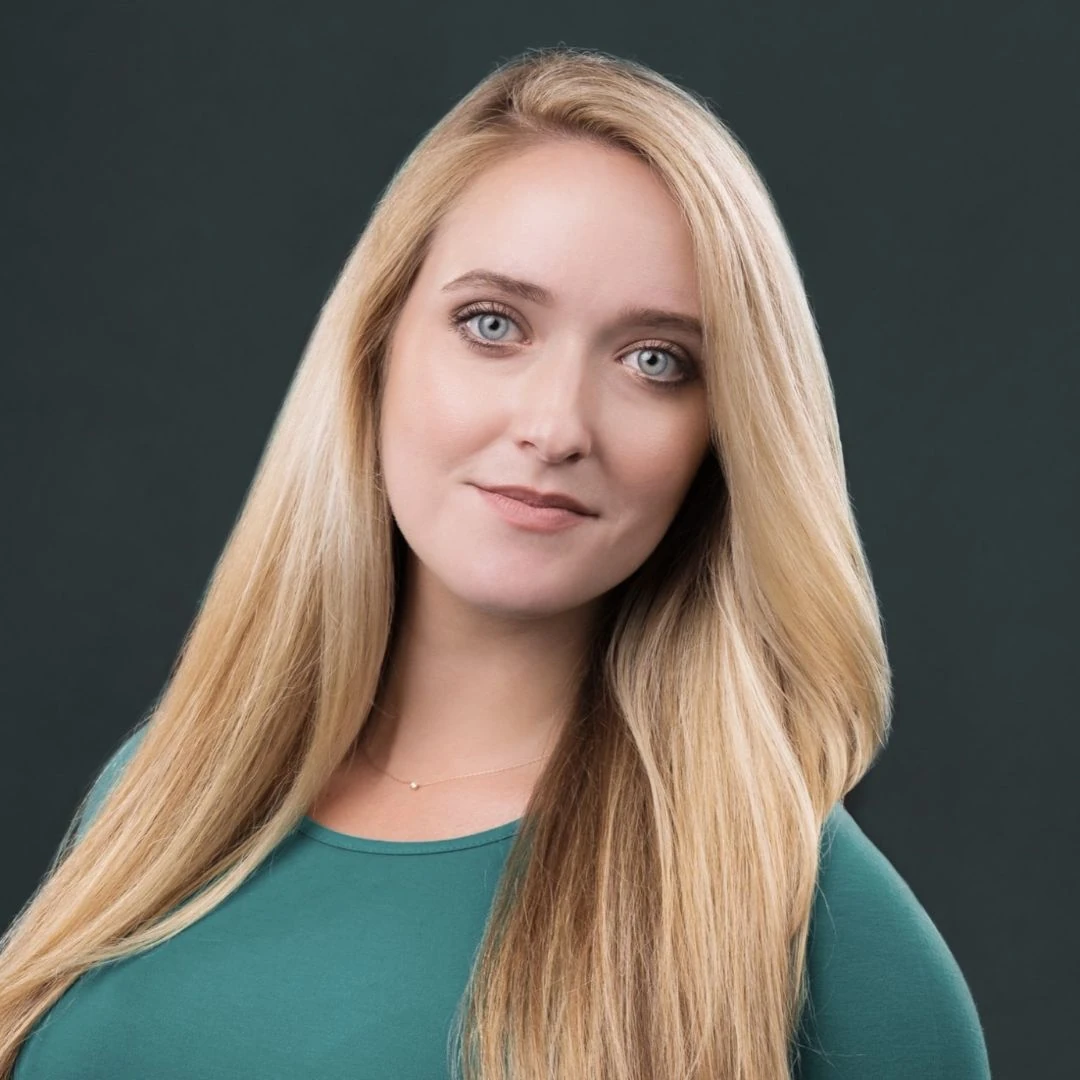 Christy Sorey, FNP-CNurse Practitioner
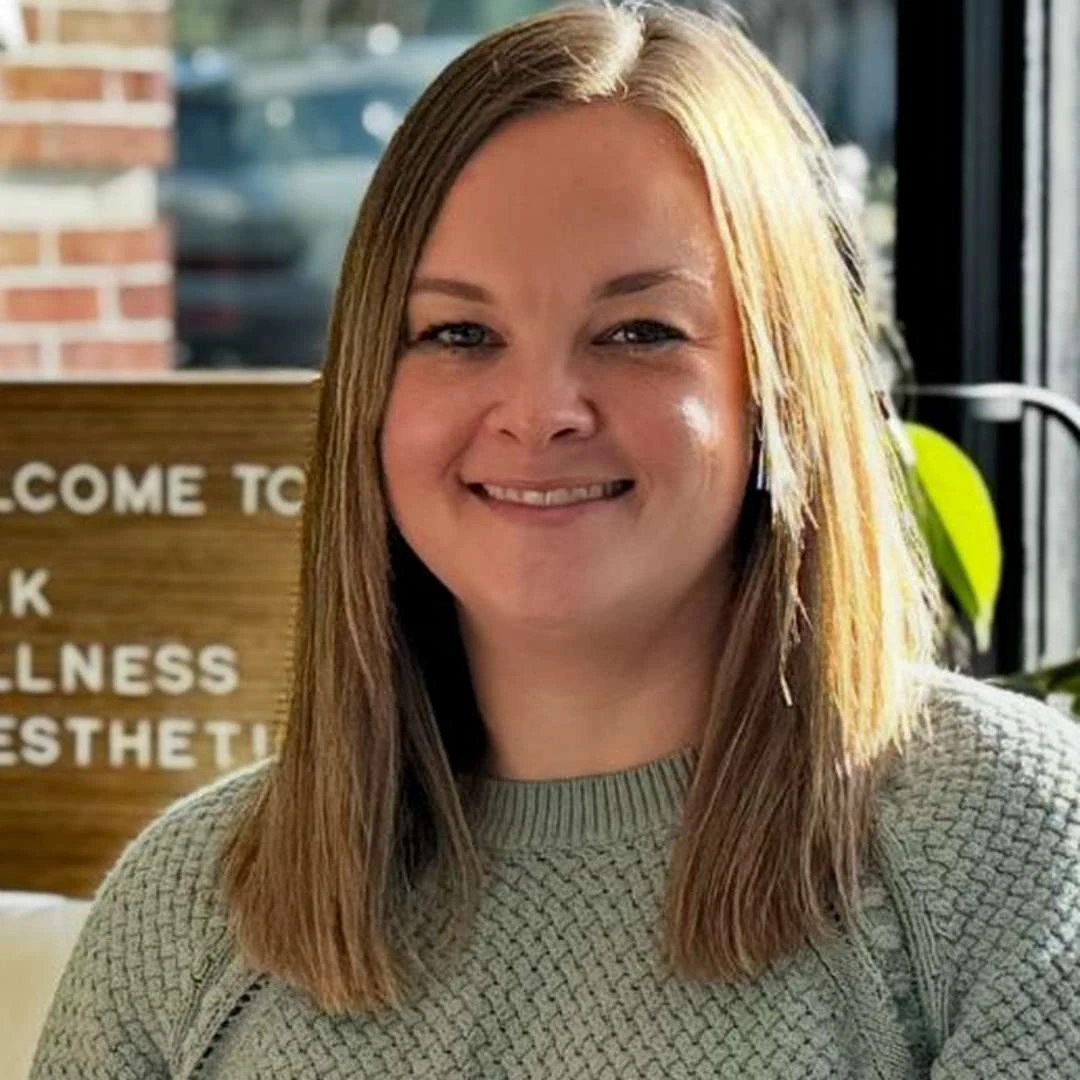 Robyn Byrd, FNP-BCNurse Practitioner
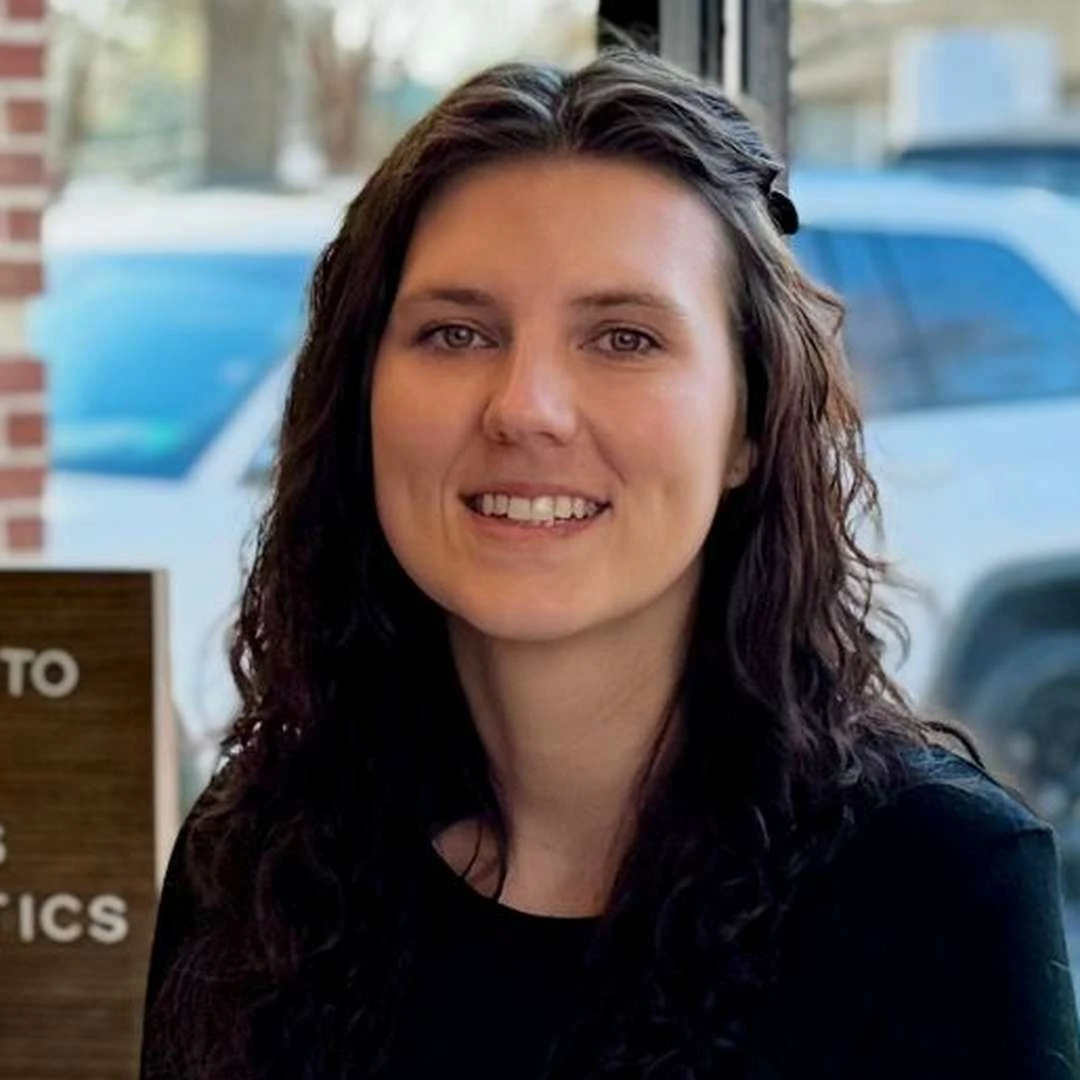 Samantha Marshall, FNP-BCNurse Practitioner
Book a consultation and we'll verify your insurance before your first visit.
Start Your JourneyOur providers match you to the best FDA-approved option based on your health profile.
Find Your MatchOur team helps you understand every option so you can decide with confidence.
Book NowBrowse our full library of evidence-based weight loss resources.
View All ResourcesKnow your coverage before your first visit. No surprises.
Check Your CoveragePaige Proctor, PA-CPhysician Assistant
Christy Sorey, FNP-CNurse Practitioner
Robyn Byrd, FNP-BCNurse Practitioner
Samantha Marshall, FNP-BCNurse Practitioner

A dual-mechanism oral medication combining naltrexone and bupropion. FDA-approved for chronic weight management, particularly effective for patients with emotional eating patterns. Prescribed at PEAK as part of a clinician-managed program.
FDA-approved • Insurance accepted • $99/mo Home Delivery available
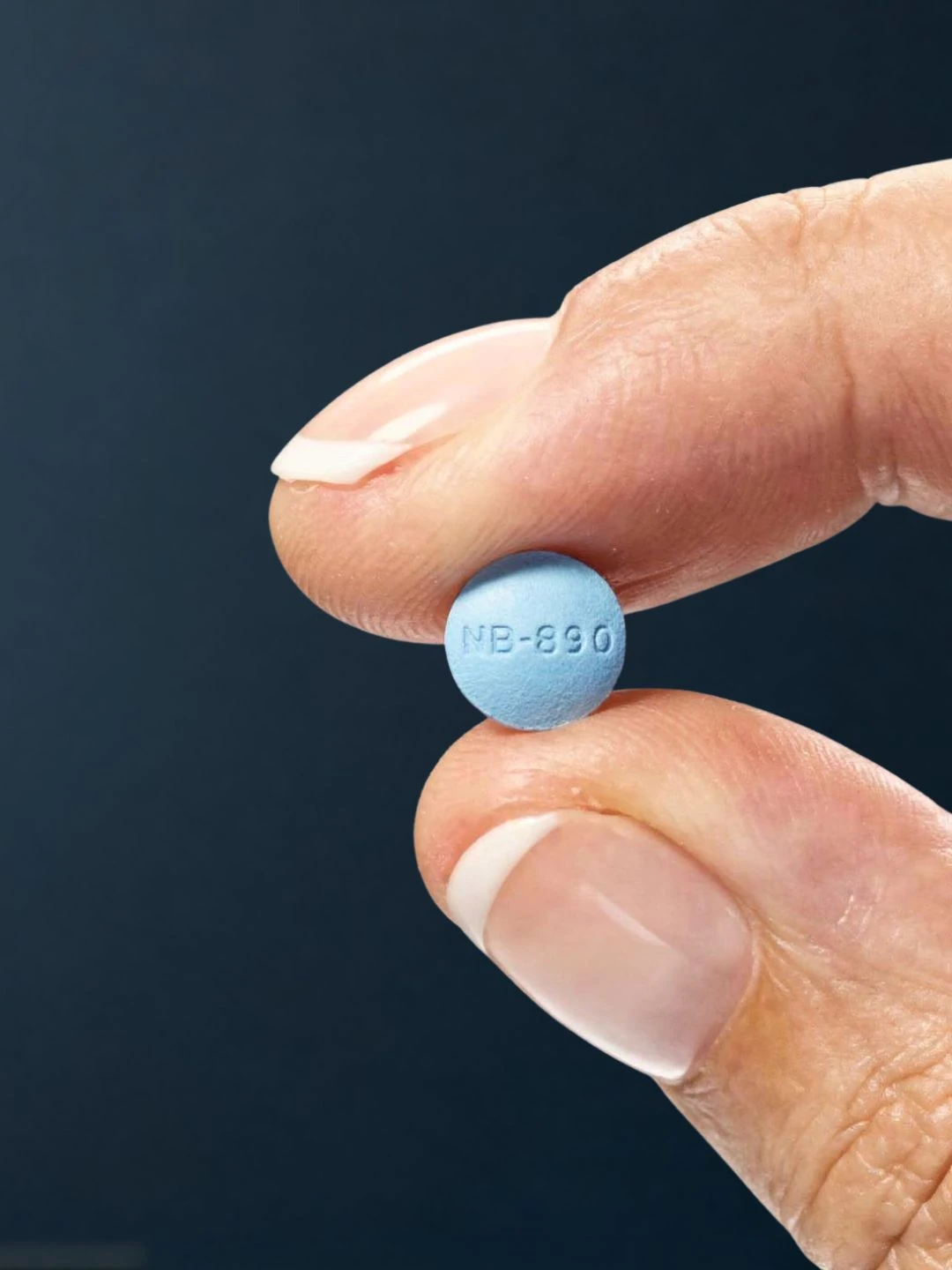
Contrave combines two medications — naltrexone, which blocks opioid receptors to reduce the reward response to food, and bupropion, an antidepressant that suppresses appetite and increases energy expenditure. This dual mechanism makes it particularly effective for patients whose weight gain is driven by emotional eating, food cravings, or the "reward" component of overeating. At PEAK, Contrave is prescribed as part of a clinical treatment program — often as a step therapy medication or alongside other approaches in a medication plan.
Contrave uses a dual-mechanism approach to weight loss, combining two medications that target different pathways in the brain. Together, they address both the craving and appetite sides of overeating — making it a distinct option from GLP-1 medications and stimulant-based treatments like phentermine.
Naltrexone is an opioid antagonist that blocks opioid receptors in the brain's reward center. This reduces the pleasurable response to food — especially cravings for high-sugar and high-fat foods that drive emotional and binge eating. Naltrexone is the same active ingredient used to treat alcohol and opioid dependence, repurposed here to dampen the "reward" signal that makes certain foods feel irresistible.
Bupropion is a norepinephrine-dopamine reuptake inhibitor (NDRI) that suppresses appetite, increases energy expenditure, and can improve mood. It is also the active ingredient in Wellbutrin, a widely prescribed antidepressant. In Contrave, bupropion activates neurons in the hypothalamus that regulate hunger and energy balance.
Together, these two medications address both the "wanting" (craving and reward) and the "needing" (appetite and hunger) aspects of overeating. In the COR clinical trial program, patients taking Contrave alongside diet and exercise modifications lost an average of approximately 5–6% of their body weight over 56 weeks, compared with placebo.
Contrave works differently than GLP-1 medications (Wegovy, Zepbound) and differently than phentermine. It does not affect gut hormones or slow gastric emptying, and it does not stimulate the central nervous system the way phentermine does. This makes Contrave appropriate for patients who cannot take stimulants, who have emotional eating patterns, or who prefer a non-injectable, non-stimulant approach to weight management.
Contrave is FDA-approved for chronic weight management in adults with a BMI of 30 or higher (obesity), or a BMI of 27 or higher with at least one weight-related condition such as type 2 diabetes, high blood pressure, or high cholesterol.
At PEAK, your clinician may recommend Contrave in several situations:
For emotional eaters — patients whose weight gain is driven by food cravings, comfort eating, or the reward response to food. The naltrexone component specifically targets this pattern.
For patients with depression-related weight gain — the bupropion component can improve mood while simultaneously supporting weight loss, making Contrave a strong fit for patients with concurrent depressive symptoms.
For patients who prefer oral over injectable medications — Contrave is a tablet taken twice daily, making it a practical alternative for patients who are uncomfortable with or unable to use weekly injections.
For patients who cannot take stimulants — unlike phentermine, Contrave is non-stimulant. This makes it appropriate for patients with cardiovascular concerns, anxiety, or a history that contraindicates stimulant use.
As a step therapy medication — Contrave is a common step therapy requirement before insurance plans will approve GLP-1 medications like Wegovy or Zepbound. PEAK manages this process, prescribing Contrave, documenting your response, and building the case for GLP-1 approval.
Contrave is not appropriate for patients with seizure disorders (bupropion lowers the seizure threshold), eating disorders such as bulimia or anorexia, current opioid use or opioid dependence (naltrexone blocks opioid receptors), uncontrolled hypertension, patients taking MAO inhibitors, or women who are pregnant or planning to become pregnant. Your clinician will review your full medical history during your consultation. Check your BMI.
Boxed warning — suicidal thoughts and behaviors: Bupropion, one of the two active ingredients in Contrave, carries an FDA boxed warning about increased risk of suicidal thoughts and behaviors in children, adolescents, and young adults (under 25) taking antidepressants. Contrave is also contraindicated in patients with seizure disorders, eating disorders (bulimia/anorexia), current opioid use, or uncontrolled hypertension. PEAK clinicians monitor patients for mood changes during treatment and discuss this risk during your consultation.
The most common side effect is nausea, which occurs in roughly 30% of patients during the initial dose-escalation period. Other common side effects include constipation, headache, insomnia, dry mouth, and dizziness. These are typically mild and improve significantly after the first 2–4 weeks as the dose gradually increases to the full maintenance level. Contrave uses a 4-week titration schedule specifically to minimize these early side effects.
PEAK counsels patients to limit or avoid alcohol while taking Contrave. There are two reasons for this: naltrexone blocks opioid receptors, which can blunt the pleasurable effects of alcohol and change how you experience it. More importantly, bupropion lowers the seizure threshold, and alcohol consumption increases seizure risk. Combining alcohol with bupropion raises this risk further. Your clinician will discuss your alcohol use during your consultation and provide specific guidance.
Contrave and phentermine work through entirely different mechanisms. Contrave targets food cravings and the reward response (via naltrexone) while also suppressing appetite and boosting energy (via bupropion). Phentermine is a CNS stimulant that primarily suppresses appetite through norepinephrine release. Contrave is non-stimulant and approved for long-term use, while phentermine is a controlled substance approved for short-term use. Phentermine may work faster, but Contrave may be a better fit for emotional eaters or patients who cannot tolerate stimulants. Read more about medication comparisons.
Contrave and Wegovy have different mechanisms and different levels of efficacy. GLP-1 medications like Wegovy produce significantly more weight loss (approximately 15% of body weight) compared to Contrave (5–6%). However, Wegovy is an injectable medication and is considerably more expensive. Contrave is an oral tablet, is often better covered by insurance, and offers a $99/month Home Delivery program. For some patients, Contrave is prescribed as a step therapy requirement before their insurer will approve Wegovy. Your PEAK clinician will help determine which medication is the right starting point for you. Read the full Contrave vs. Wegovy comparison.
Many commercial insurance plans cover Contrave with prior authorization. The manufacturer also offers a Home Delivery Program at $99/month or less with free shipping. PEAK accepts Anthem, Cigna, Aetna, UnitedHealthcare, Sentara, and TRICARE commercial plans, and does not accept Medicare or Medicaid plans. Visit pricing is $199 for the initial appointment, $135 for follow-up visits, and $75 for dietitian visits. View insurance and pricing details.
Contrave uses a 4-week dose escalation to reach the full maintenance dose. During this period, you start with one tablet per day and gradually increase to four tablets per day (two in the morning, two in the evening). Most patients notice reduced cravings within the first 2–4 weeks. Meaningful, measurable weight loss typically begins by weeks 8–12. If you haven't lost at least 5% of your body weight by week 16, your clinician will reassess and discuss alternative approaches.
Contrave isn't the right fit for everyone. Your clinician will recommend the medication that makes the most sense for your health history, insurance, and goals.
GLP-1 receptor agonist with ~15% average body weight loss. Also approved to reduce cardiovascular risk. The most widely prescribed GLP-1 for weight loss.
Learn moreDual GIP/GLP-1 receptor agonist with the highest average weight loss of any approved anti-obesity medication. Available as pen or vial.
Learn moreFirst-generation GLP-1 for weight management. Daily injection with the longest GLP-1 track record. A good option when insurance favors liraglutide.
Learn moreThe most commonly prescribed weight loss medication in the U.S. A CNS stimulant that suppresses appetite. Extremely affordable as a generic, covered by nearly all insurance plans.
Learn moreA complete guide to Contrave side effects — what to expect during dose escalation, how to manage nausea, and when to contact your clinician.
Read the guideWhat Contrave costs with and without insurance, the $99/month Home Delivery Program, and how to use the manufacturer savings card.
Read the guide



Schedule a consultation with a PEAK clinician. We'll review your health history, check insurance coverage, and build a treatment plan around your goals.
Book NowNo referral needed • Most insurance accepted • Chesapeake, VA