- Lean protein at every meal is the single most important dietary priority on GLP-1 medications
- Cooked vegetables are easier to tolerate than raw ones, especially early in treatment
- Nutrient density matters more than volume when your appetite is reduced
- PEAK’s dietitian creates personalized meal plans that account for your medication, preferences, and goals
When you start a GLP-1 medication like Wegovy, Zepbound, or Ozempic, your appetite changes significantly. Most patients eat considerably less than before — which is part of how these medications work. But eating less does not mean nutrition matters less. In fact, it matters more.
With smaller portions, every meal needs to deliver maximum nutritional value. The right food choices help you preserve muscle mass, minimize GI side effects like nausea and bloating, maintain energy levels, and get the most out of your treatment. This guide covers the foods that work best — and the ones worth avoiding.
Why food choices matter on GLP-1s
GLP-1 receptor agonists slow gastric emptying and reduce appetite, which means your body has fewer opportunities to take in the nutrients it needs. When total caloric intake drops, nutritional gaps can develop quickly — and those gaps show up as fatigue, hair thinning, muscle loss, and weakened immunity.
Eating smarter matters more than eating more. Prioritizing nutrient-dense foods ensures that your body gets what it needs to function well, even on a significantly reduced caloric intake.
Think of each meal as a limited number of slots. You want to fill those slots with foods that deliver the highest concentration of protein, vitamins, and minerals per calorie. A piece of grilled salmon with roasted vegetables does far more for your body than a small portion of pasta with cream sauce, even if the calorie count is similar.
Lean proteins: the most important food group
Protein is the foundation of your diet on a GLP-1 medication. It preserves lean muscle mass during weight loss, supports your metabolism, promotes satiety, and helps your body recover and repair. Without adequate protein, you risk losing muscle along with fat — which undermines the metabolic benefits of your weight loss.
Aim for protein at every meal and snack. Most patients on GLP-1 medications should target 60 to 100 grams of protein per day, depending on body weight and activity level.
Poultry: Chicken breast, turkey breast, and ground turkey are lean, easy to digest, and versatile.
Fish: Salmon, cod, tilapia, and shrimp provide protein plus omega-3 fatty acids that support heart and brain health.
Eggs: A complete protein source that is gentle on the stomach. Scrambled or soft-boiled eggs are particularly well tolerated.
Greek yogurt: High in protein and probiotics, which may help with GI comfort. Choose plain varieties and add your own fruit.
Cottage cheese: One of the most protein-dense dairy options available. Pairs well with fruit or eaten on its own.
When appetite is low, protein is the one macronutrient you cannot afford to skip. Every meal should start with a protein source.
Vegetables and fiber
Vegetables provide essential vitamins, minerals, and fiber — but the way you prepare them matters, especially in the first weeks of treatment. GLP-1 medications slow gastric emptying, which means raw, high-fiber vegetables can sit in your stomach longer and cause bloating, gas, or discomfort.
Start with cooked vegetables
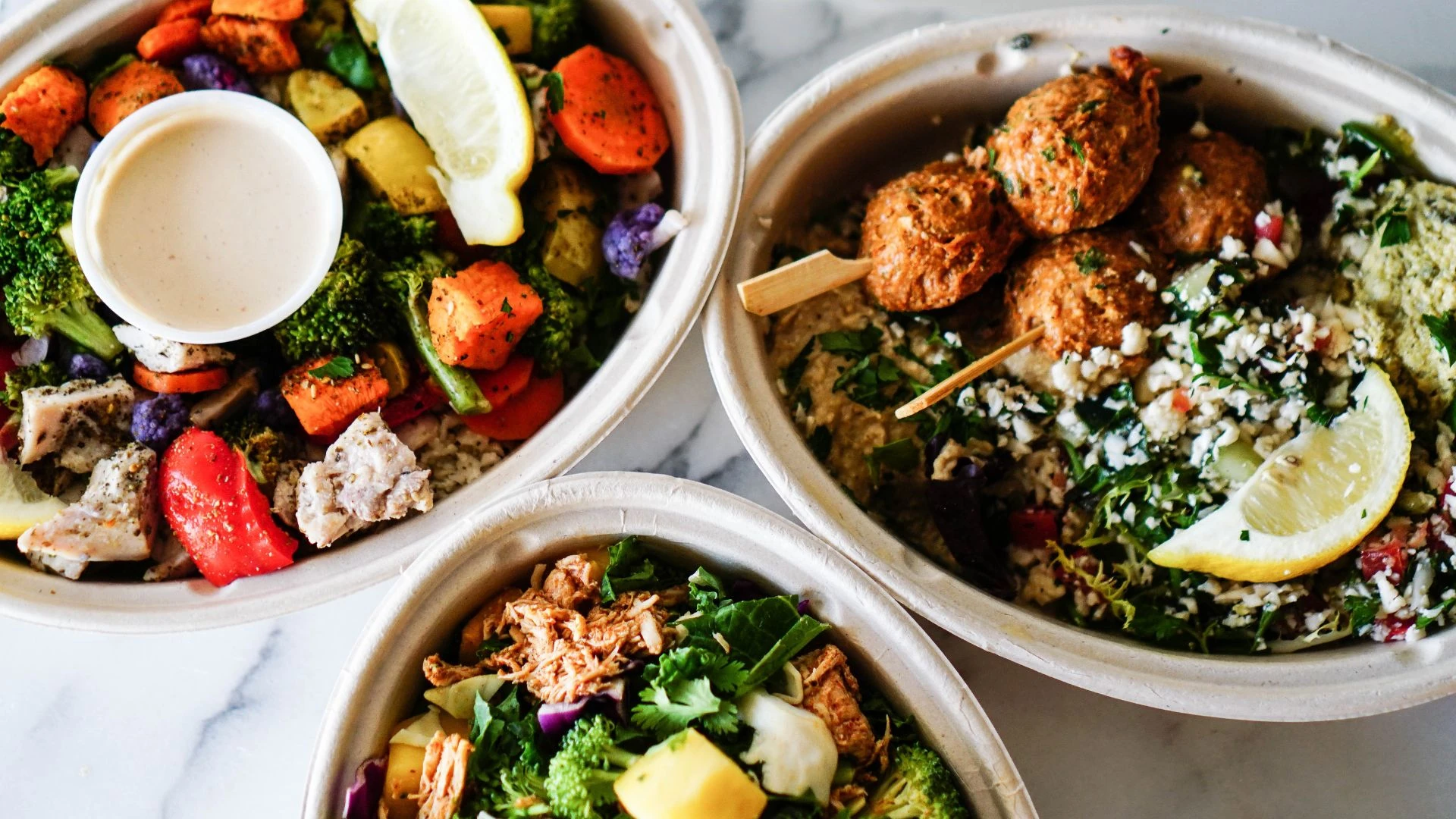
Cooked vegetables are easier to digest and less likely to aggravate GI side effects. Steaming, roasting, and sauteing break down the tough cellular structure of vegetables, making nutrients more accessible and reducing the work your digestive system has to do.
- Well-tolerated options: Steamed zucchini, roasted sweet potatoes, sauteed spinach, cooked carrots, roasted bell peppers, and mashed butternut squash
- Introduce raw vegetables gradually: As your body adjusts to the medication, you can slowly reintroduce raw salads and crudites. Many patients tolerate raw vegetables well after the first month or two.
- Cruciferous vegetables with caution: Broccoli, cauliflower, and Brussels sprouts are nutritious but can cause gas and bloating. Cook them thoroughly and start with small portions.
Complex carbohydrates in small amounts
Carbohydrates are not the enemy, but they should be chosen carefully and consumed in moderate portions. Complex carbohydrates provide sustained energy, fiber, and important B vitamins. The key is choosing whole, unprocessed sources and keeping portions small.
- Good choices: Quinoa, brown rice, oatmeal, sweet potatoes, whole-grain bread in small amounts, and lentils
- Portion guidance: A quarter to a third of your plate is a reasonable target for complex carbohydrates. Protein and vegetables should take up the rest.
- Timing: Some patients find carbohydrates easier to tolerate at certain meals. Your PEAK dietitian can help you identify the timing that works best for your body.
A simple framework for every meal: fill half your plate with cooked vegetables, a quarter with lean protein, and a quarter with complex carbohydrates. This ensures balanced nutrition without requiring calorie counting or complex tracking.
Foods to limit or avoid
Certain foods are more likely to trigger or worsen the GI side effects that are common during GLP-1 treatment. Limiting these foods — particularly in the early weeks — can make a meaningful difference in how you feel day to day.
- Fried and greasy foods: High-fat foods slow digestion further, compounding the delayed gastric emptying caused by the medication. This can lead to prolonged nausea, bloating, and discomfort.
- Very sugary foods and drinks: Candy, pastries, sugary coffee drinks, and soda provide calories with almost no nutritional value. When your total intake is limited, these are empty-calorie traps.
- Carbonated beverages: Fizzy drinks can increase bloating and gas, which are already common side effects during GLP-1 treatment.
- Large, heavy meals: Eating too much at one sitting overwhelms a slowed digestive system. Smaller, more frequent meals are better tolerated.
- Highly processed foods: Ultra-processed snacks, fast food, and packaged meals tend to be low in nutrients and high in sodium, added sugars, and unhealthy fats.
The foods you avoid can matter as much as the foods you choose. Reducing fried, sugary, and processed foods often resolves GI side effects patients assumed were just part of treatment.
Hydration is non-negotiable
Many patients on GLP-1 medications underestimate how much their fluid intake drops when their appetite decreases. You may not feel thirsty, but dehydration is a real risk — and it contributes to constipation, headaches, fatigue, and dizziness.
- Aim for 64 ounces or more per day. Sip water throughout the day rather than trying to drink large amounts at once.
- Separate fluids and meals. Drinking large amounts of liquid with meals can increase nausea. Try drinking most of your fluids between meals.
- Add flavor if needed. If plain water is unappealing, try adding cucumber, lemon, mint, or a splash of fruit juice. Herbal tea and broth also count toward your daily intake.
- Watch for signs of dehydration: Dark urine, dry mouth, headaches, and dizziness are all signals that you need more fluids.
Foods like cucumbers, watermelon, strawberries, soups, and broths contribute to your daily fluid intake. Incorporating these into your meals and snacks can help bridge the gap if you struggle to drink enough water.
Personalized meal guidance at PEAK
General guidelines are a starting point, but every patient responds differently to GLP-1 medications. Food tolerances vary. Nutritional needs differ based on body composition, activity level, medical history, and personal preferences. A meal plan that works for one patient may not work for another.
That is why every PEAK patient on a GLP-1 medication has access to our dietitian as part of their care team. This is not an add-on or an upsell — it is built into our approach because nutrition is inseparable from effective medical weight loss.
Individualized meal plans that account for your medication, dose, food preferences, and lifestyle.
Ongoing adjustments as your treatment progresses and your body’s needs change.
Lab monitoring to identify and correct nutritional deficiencies before they cause symptoms.
Practical strategies for meal prep, dining out, and managing days when appetite is especially low.
The right food choices can be the difference between losing weight and losing weight well. Preserving muscle, maintaining energy, minimizing side effects, and building sustainable habits — all of it starts with what you put on your plate. At PEAK, we make sure you have the guidance to get it right.